By Lucy
Mini update!
I don’t scream this enough but I am actually Acadian.
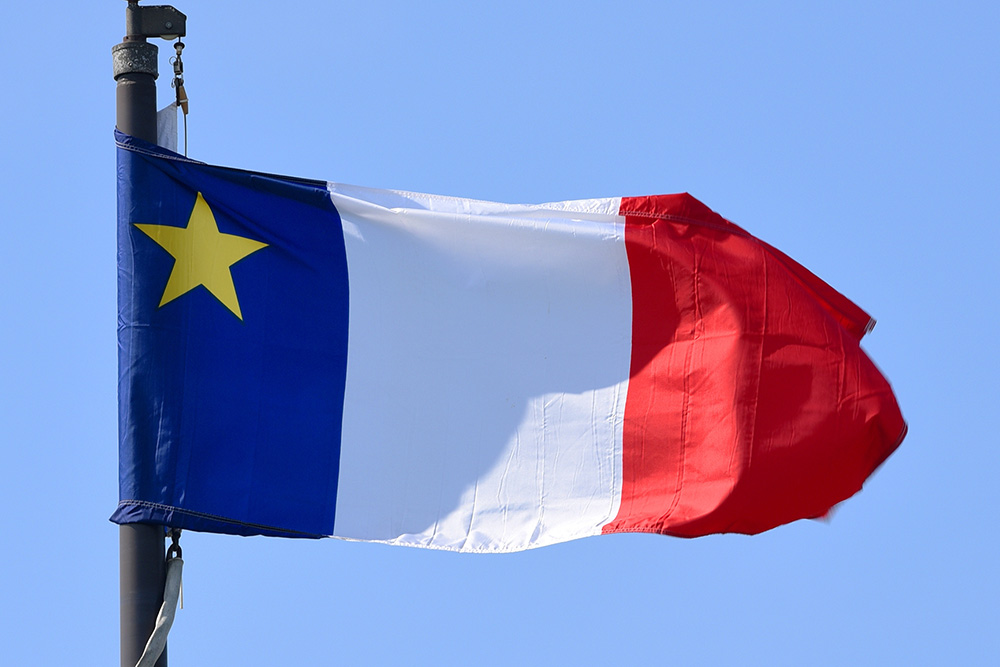
In 1605, a group of French Settlers settled in what is now the Annapolis River valley basin and created a fort called Port Royal. Those first few years were brutal as they came to grips with the harsh Canadian winters, and only 17 of the original colonists survived.
Eventually they forged a strong partnership with the local tribe, the Mi’kmaq, and Port Royal started to grow and thrive.
The plug was pulled early on as the settlers were told to move along the St Lawrence to the early settlements in Quebec, but a number of French colonists stayed in the area. A hundred years later, a thriving colony existed there with a separate identity from the nascent Quebec; the Acadians.
In 1756, the Seven Years’ War started in Europe, but it quickly spread to the colonies. France ultimately lost the war in the New World when the English captured Louisburg and Fort Beausejour (which is why I was surprised there is a Beausejour in Manitoba). Life was rough in Quebec, but worse in Acadia.
The English decided they wanted Acadia for themselves, and were threatened by the close relationship between the Mi’kmaq and the settlers. They set about removing all the Acadians, and put a price on the head of each Mi’kmaq person, leading to violent raids. More than ten thousand people were removed within a few years and many were killed. Many more died on the journey as boats were lost at sea or not stocked with enough food. Boats often dropped off Acadians at random locations that were not expecting them and had no supplies for them. A bulk of Acadians ended up in New Orleans and became known as the “Cajun”.

Some Acadians eventually found their way back to their homeland. A few were never found and forced to leave in the first place, and Acadia continues to exist on the Southwestern shore of Nova Scotia, where even to this day it is called the French shore.
My family were the ones who were never caught and forced to leave, but they paid for it in other ways. Being French in an English land, losing our family properties, watching loved ones killed or captured… I believe these things scar my family even 250 years later.
In 2005 the Crown offered an apology for the Great Upheaval and July 28th was chosen as a day of remembrance… a day most people forget anyway.
I think, moreso than my family’s story, what’s important to remember is that what is old is new again, and history is written in blood. A thousand cuts is how Canada was carved into being, a thousand minorities wiped out for the glory of the British empire. And we see it happening to this day. In 200 years, will people even remember Gaza? Or will it just be a bloody footnote in Israel’s history?
Then uprose their commander, and spoke from the steps of the altar,
Holding aloft in his hands, with its seals, the royal commission.
“You are convened this day,” he said, “by his Majesty’s orders.
Clement and kind has he been; but how you have answered his kindness,
Let your own hearts reply! To my natural make and my temper
Painful the task is I do, which to you I know must be grievous.
Yet must I bow and obey, and deliver the will of our monarch;
Namely, that all your lands, and dwellings, and cattle of all kinds
Forfeited be to the crown; and that you yourselves from this province
Be transported to other lands. God grant you may dwell there
Ever as faithful subjects, a happy and peaceable people!
Prisoners now I declare you; for such is his Majesty’s pleasure!”

 Wanderjahre
Leave a comment